

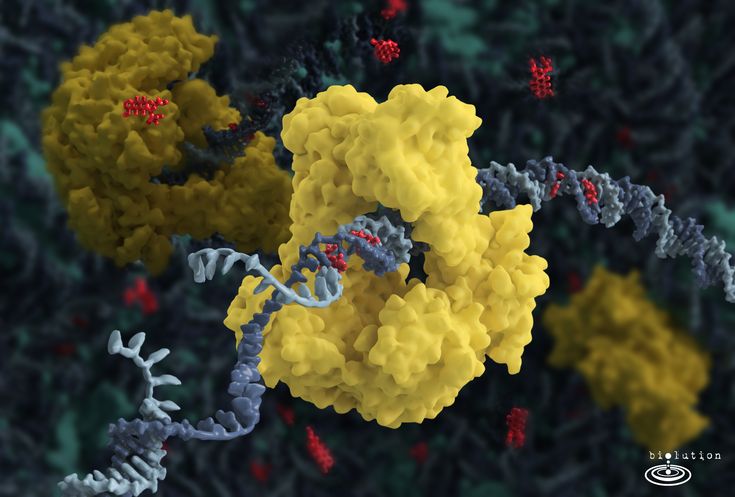
Understanding the molecular architecture of life is at the core of our structural biology research. At SpentaGen, we combine experimental and computational techniques to determine and analyze the three-dimensional structures of proteins, nucleic acids, and their complexes. Our work supports rational drug design, protein engineering, and the development of novel biotherapeutics. By leveraging state-of-the-art tools such as cryo-EM, X-ray crystallography, and molecular dynamics simulations, we bridge the gap between atomic-level insights and biotechnological applications that address unmet medical needs.
Protein Structure Prediction & Modeling
We use state-of-the-art computational methods, including homology modeling, ab initio prediction, and deep learning-based approaches (e.g., AlphaFold), to predict and analyze three-dimensional structures of proteins. These models guide our understanding of function, stability, and interactions, accelerating target validation and rational design.
Macromolecular Crystallography & Cryo-EM
Our structural biology team employs experimental techniques such as X-ray crystallography and single-particle cryo-electron microscopy (cryo-EM) to determine high-resolution structures of macromolecules. These methods provide atomic-level snapshots that are critical for structure-guided drug discovery and mechanistic studies.
Molecular Dynamics Simulations
We perform classical and enhanced molecular dynamics (MD) simulations to study the conformational dynamics, flexibility, and stability of biomolecules. MD simulations help us understand ligand binding, allosteric effects, and the behavior of proteins in near-physiological environments, complementing experimental data.
Protein-Protein & Protein-Ligand Interactions
We investigate molecular interactions using a combination of computational docking, surface plasmon resonance (SPR), isothermal titration calorimetry (ITC), and other biophysical assays. Characterizing these interactions is essential for understanding signaling pathways, identifying drug targets, and optimizing lead compounds.
Biophysical Characterization & Assay Development
We perform a wide range of biophysical assays — including circular dichroism (CD), fluorescence spectroscopy, differential scanning calorimetry (DSC), and surface-based techniques — to characterize protein stability, folding, and interactions. We also develop customized high-throughput assays for screening and quality control in drug discovery programs.
Structural Bioinformatics & Machine Learning
Our team develops and applies bioinformatics tools and machine learning models to analyze large structural datasets, predict protein functions, and uncover evolutionary relationships. We use these approaches to identify new targets, interpret mutations, and prioritize candidates for experimental validation.